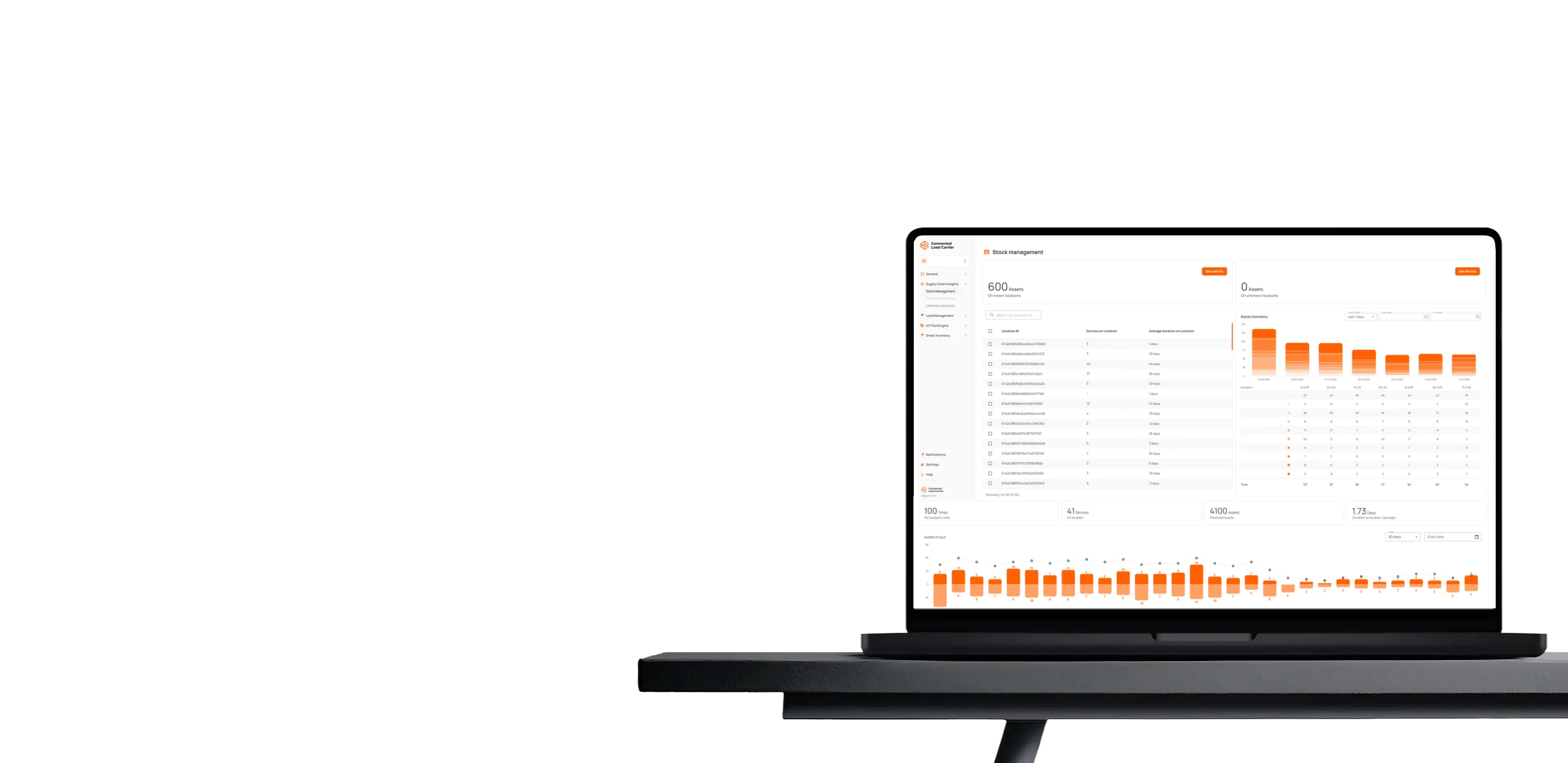
From first connection to continuous intelligence
Every load carrier, location and handover becomes part of one continuous record. Built in layers, proven in practice and priced for what it actually delivers
One partner, three layers of value
Hardware, connectivity, infrastructure and the insights that come from them. We take care of every layer, so you don't have to.
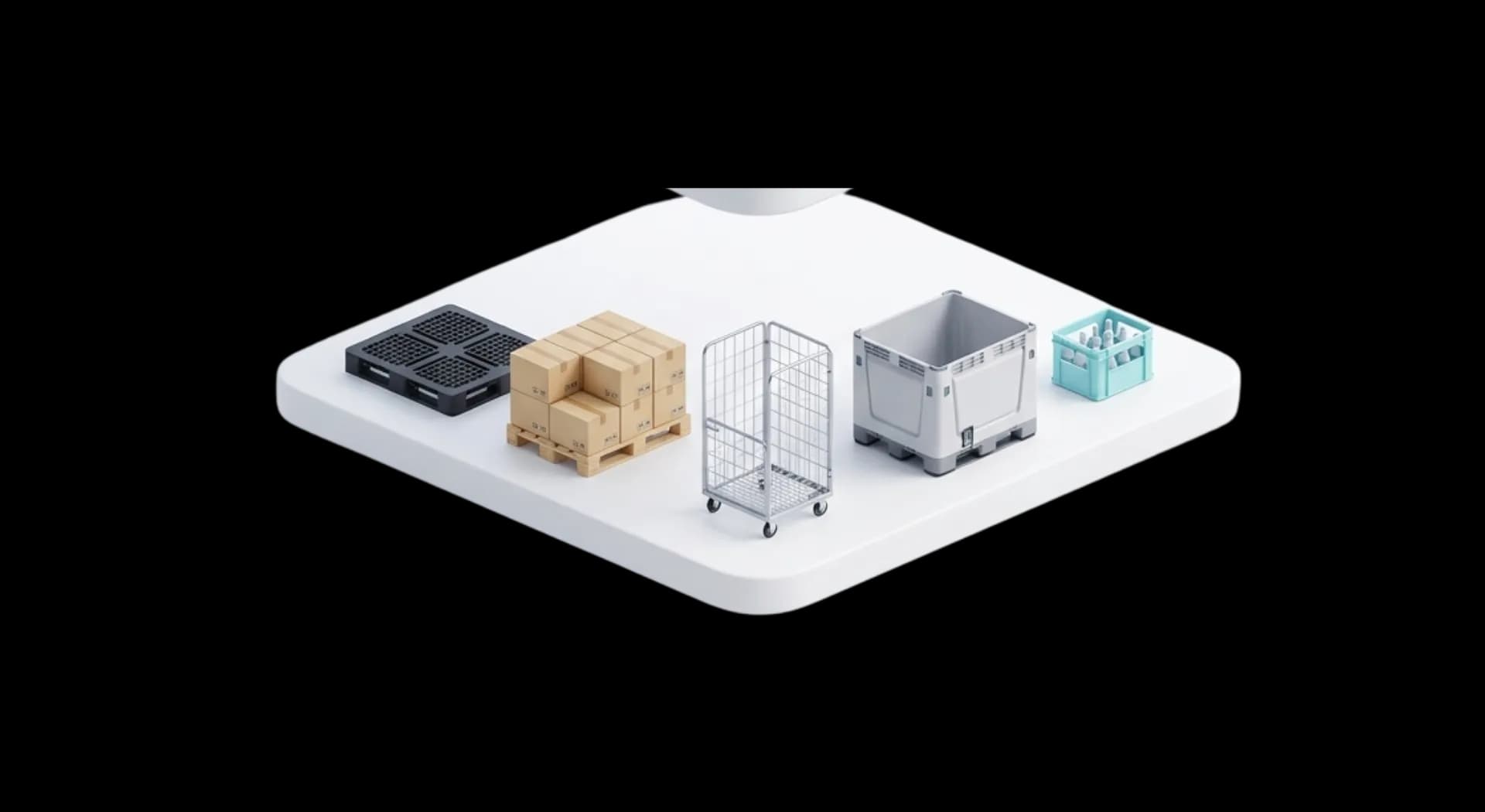
The physical layer: Connected load carriers
Every load carrier is fitted with the right hardware and connectivity, giving it a persistent identity. What's known about it travels with it. Across every handover, system and organisation.
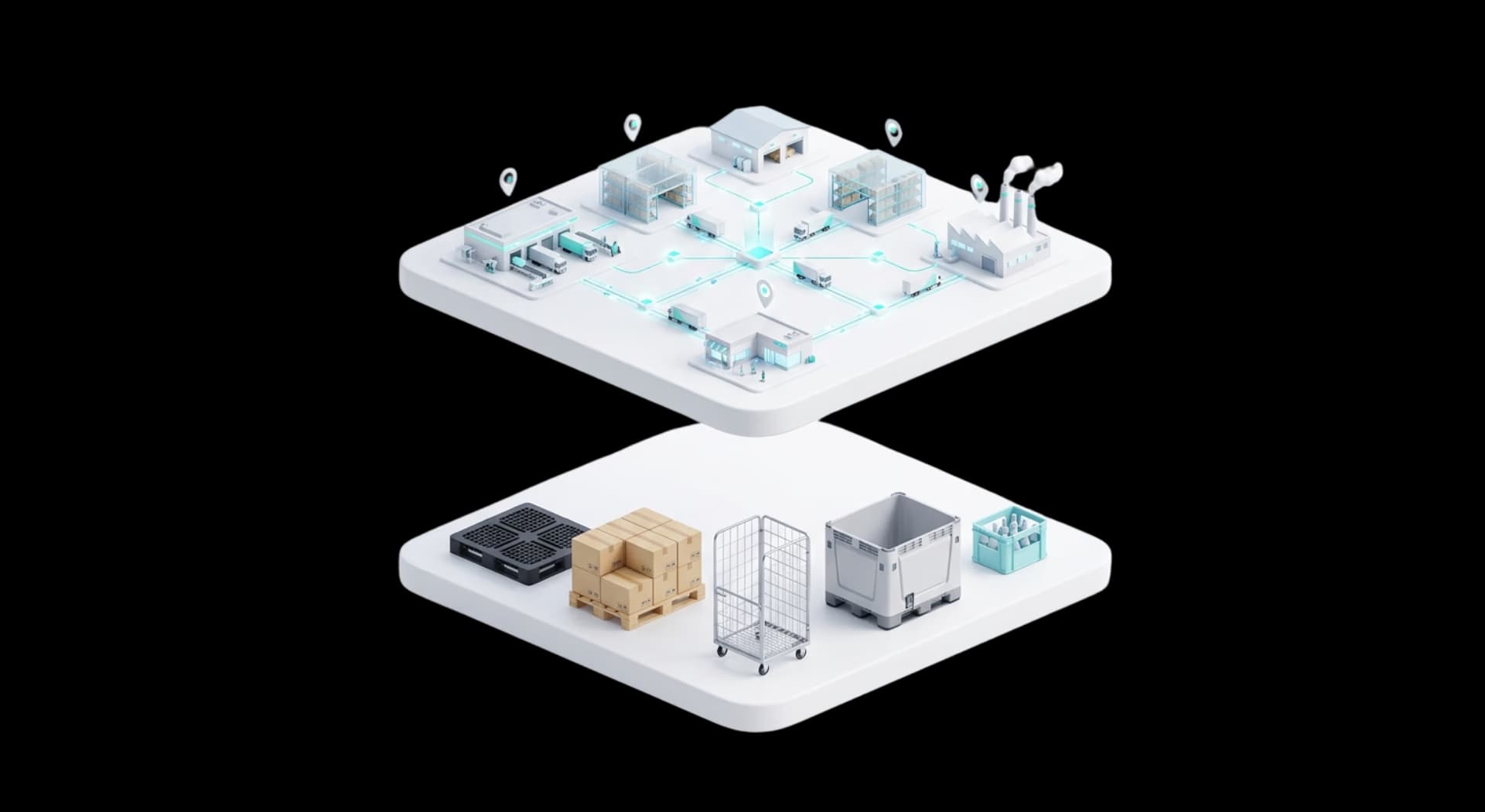
The network layer: Connected locations
Locations, depots, vehicles and partners become verified points in the network, equipped to confirm the presence of connected load carriers. Movement is confirmed, not assumed.
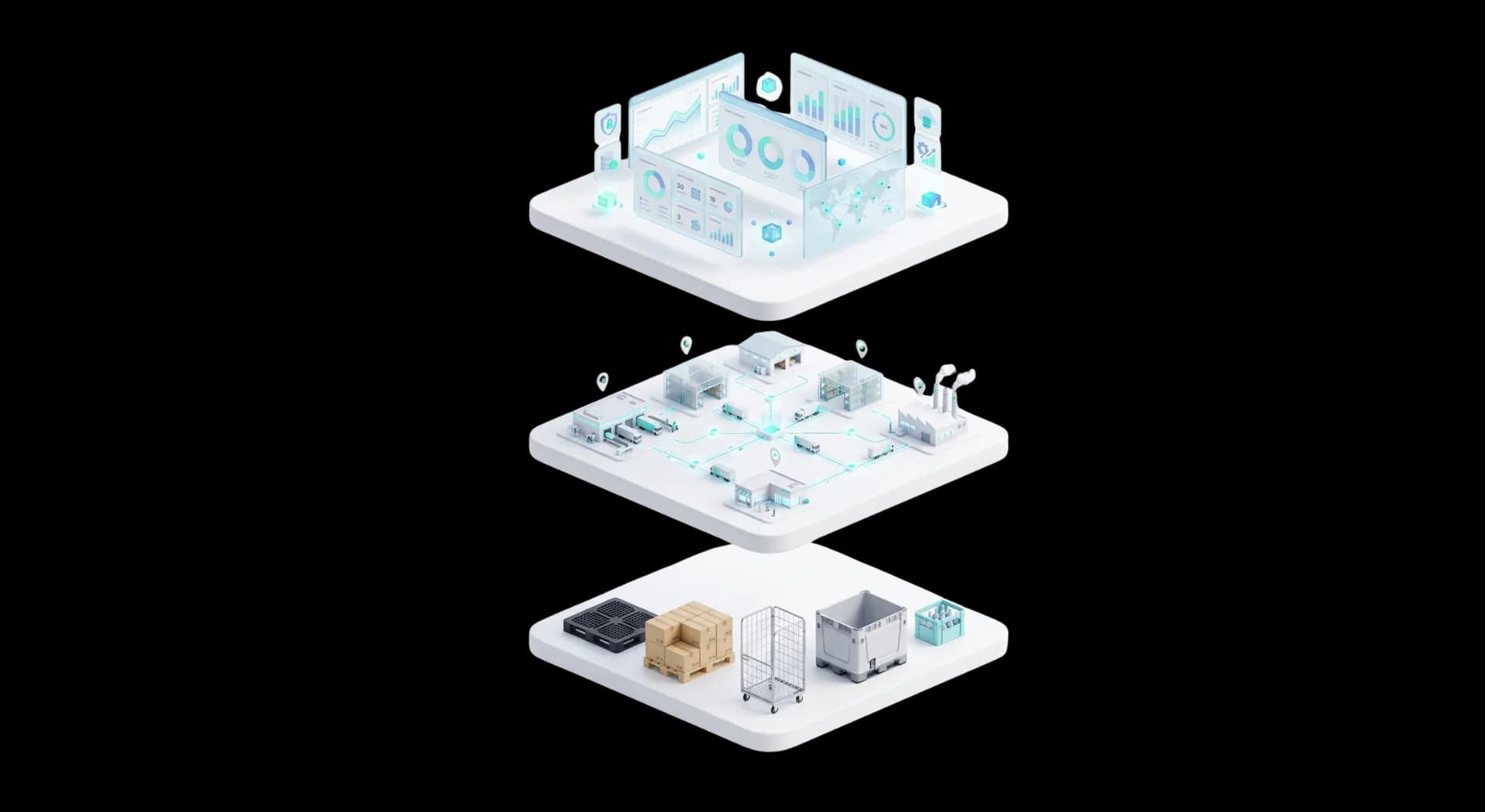
The data layer: Operational intelligence
Together, the connected load carriers and locations generate the operational value you're looking for: From stock counts to dwell time to loss attribution.
“A pallet, a trailer and a warehouse don't have the same problem to solve. Committing to one technology for all of them isn't a standard, it's a compromise. We match the technology to the asset, every time.”
Value that grows. Cost that stays predictable.
Every new connection adds context to the picture. Every euro you invest is tied to what that context actually delivers.
Every connection adds to what CLC knows
CLC connects your load carriers to TTAN™, the industry network for supply chain assets. Every handover becomes a signal and every new connection adds context: what's moving, what's missing, who's responsible. Not a bigger network, but fewer blind spots in yours.

You pay for what it delivers
The foundation (hardware, connectivity, mounting and support) is managed as a service for one predictable fee. On top, high-value insights are activated only where needed, billed against impact delivered, never against volume or usage.
How we create operational value
Most projects start with hardware and search for a use case afterwards. We start with the question you actually need answered and design everything that follows around it.
Step 1: Define Business Value
We align on the operational challenges, use cases and measurable outcomes that matter across your supply chain, before any technology is chosen. Most projects that start with hardware end up searching for a use case afterwards. We reverse that: the business question comes first, the technology follows from it.
Step 2: Design the right solution
We assess the complexity of your operation by looking at asset types, volumes, environments and existing systems. With this information we can define the right combination of technology and process. No two operations are alike, so the solution isn't assembled from a fixed template. It's designed around how you actually work.
Step 3: Create asset identity
Assets and key locations across the network are given a persistent digital identity — a unique, standardised reference that every system and every partner can read the same way. This is the foundation everything else builds on: without a consistent identity, data from different points in the chain never adds up to one picture.
Step 4: Capture real-world events
Reliable data on movements, handovers and asset behaviour is collected from real operations — not estimated, not simulated. Every dispatch, arrival and dwell becomes a recorded event, generated as your operation runs, without adding manual steps for your team.
Step 5: Verify and contextualise
Raw data only becomes useful once it's understood in context. The same location can mean something different depending on the direction of flow — goods arriving are not the same signal as goods returning. We turn raw events into verified, contextualised facts: what moved, when, and what it actually means for your operation.
Step 6: Scale and realise value
The same model extends across partners, sites and flows — not as a bigger rollout, but as a wider network working from the same facts. Value compounds as more of the chain connects, unlocking continuous improvement rather than a one-time gain.

Get a free supply chain quickscan